

How Exercise Rewires the Brain for Performance and Joy
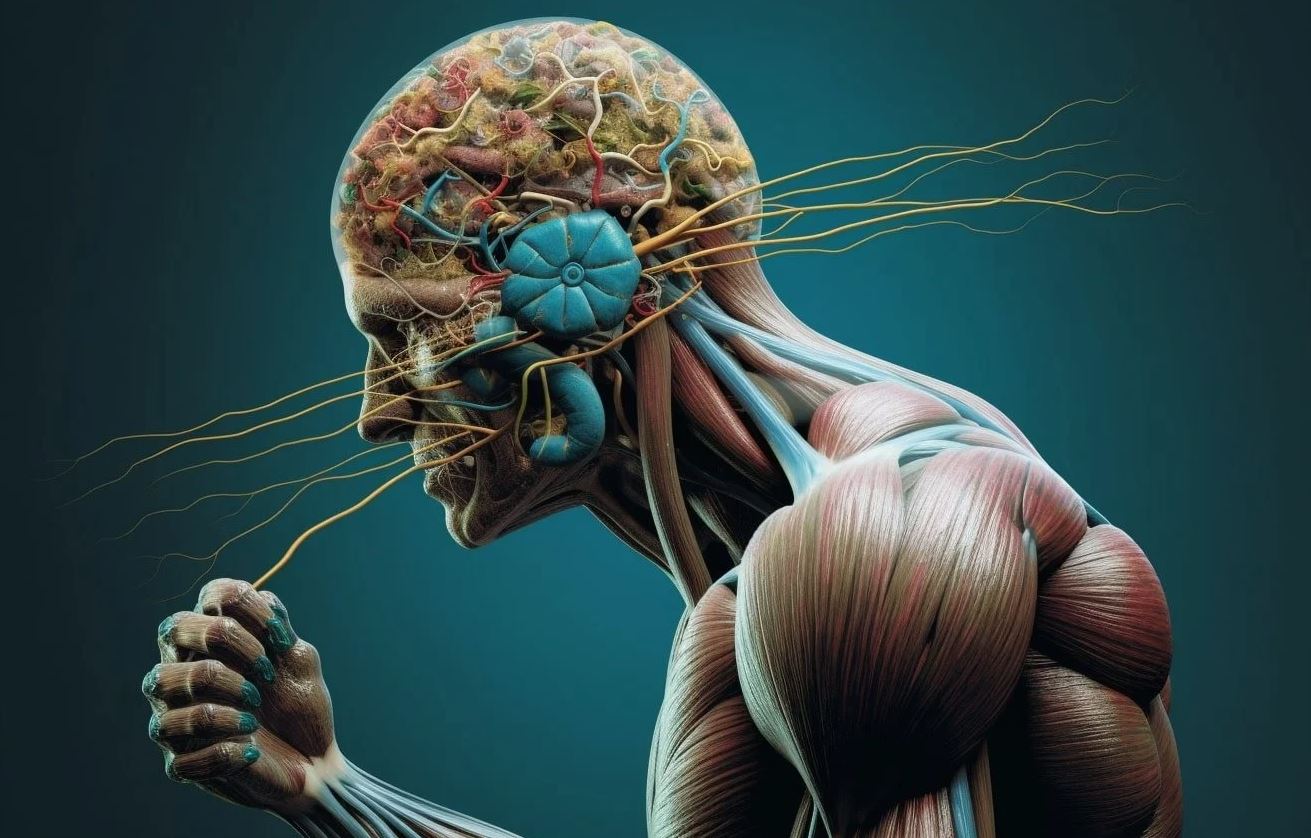
Exploring the Chemical Symphony That Transforms Effort into Euphoria and Shapes the Mental Edge of Athletic Mastery
The Hidden Link Between Movement and Mind
Every athlete knows the feeling that arrives mid-workout, the surge of clarity, the fading of stress, the sudden confidence that every rep or stride feels lighter. While muscles may steal the spotlight, the true transformation begins in the brain. Exercise triggers an intricate neurochemical orchestra, harmonizing hormones, neurotransmitters, and molecular signals that elevate not only physical capacity but also emotional balance and mental sharpness. This biological symphony explains why training often feels therapeutic, sharpening focus while softening anxiety. The act of movement literally alters brain chemistry, shaping how we think, feel, and behave both during and long after the workout ends.
Modern neuroscience now confirms what ancient philosophers intuited centuries ago: movement and mind are inseparable. Each lift, sprint, or stretch sends ripples through neural pathways, influencing cognition, creativity, and resilience. Exercise activates multiple regions of the brain, including the hippocampus, which governs memory, and the prefrontal cortex, which manages decision-making and emotional control. The more consistently one trains, the more these areas adapt, forming what researchers call neuroplastic resilience. In other words, your brain learns to grow stronger just as your muscles do. The result is a mental fortitude that extends beyond sport, shaping confidence, motivation, and even identity.
Endorphins: The First Wave of Euphoria
When we talk about the “runner’s high,” we are referring to the classic endorphin rush that floods the system during intense exercise. Endorphins are peptide molecules produced by the pituitary gland that bind to opioid receptors in the brain, reducing pain and inducing pleasure. They act as the body’s natural painkillers, allowing athletes to push through discomfort while experiencing a heightened sense of calm. However, the story of endorphins is more nuanced than simple euphoria. These chemicals do not cause joy directly; rather, they dampen pain perception, creating a mental state where effort feels rewarding instead of punishing.
Interestingly, endorphin release varies by intensity and duration of effort. Short, explosive movements may trigger only mild responses, while longer, sustained exertion, such as distance running or cycling, induces a stronger release. This biochemical feedback loop encourages endurance and persistence, explaining why many athletes report feeling compelled to train regularly. Endorphins create a neurochemical environment that makes exertion emotionally satisfying. The more frequently this response is reinforced, the more ingrained the habit becomes. In essence, the brain learns to associate physical strain with psychological reward, laying the groundwork for lifelong consistency in training.
Dopamine: The Drive Behind Discipline
Dopamine is often described as the molecule of motivation, and for good reason. It fuels the desire for achievement, progress, and pleasure. In the context of exercise, dopamine release occurs before, during, and after physical activity, linking movement with reward. Anticipating a workout triggers a small rise in dopamine, which increases focus and readiness. Completing a session amplifies that response, reinforcing satisfaction and creating a sense of accomplishment. Over time, this feedback system transforms discipline into desire. What begins as a task becomes a craving for the mental clarity and satisfaction that training brings.
Beyond motivation, dopamine plays a crucial role in motor control and coordination. It fine-tunes muscle activation, timing, and precision, allowing for smoother and more efficient movement. This is particularly relevant in skill-based training such as Olympic lifting, gymnastics, or martial arts, where technical execution depends on the synchronization between mind and muscle. Regular exercise increases dopamine receptor sensitivity, meaning that consistent training enhances both drive and physical performance. In a world saturated with distractions, exercise becomes a natural dopamine regulator, improving focus and maintaining emotional balance without reliance on artificial stimulation.
Serotonin: The Mood Stabilizer of Movement
While dopamine ignites motivation, serotonin anchors well-being. This neurotransmitter regulates mood, appetite, and sleep, forming the biochemical foundation of mental stability. Exercise elevates serotonin levels by increasing the availability of tryptophan, the amino acid precursor that the brain converts into serotonin. The result is a natural antidepressant effect, often rivaling that of medication for mild to moderate mood disorders. This explains why consistent physical activity is one of the most effective tools for managing anxiety and depression. The rhythmic nature of exercise, especially activities like running or swimming, also contributes to this effect by synchronizing breathing and heartbeat, calming the nervous system, and enhancing emotional equilibrium.
Serotonin’s influence extends beyond emotion. It supports learning, memory, and cognitive flexibility. Athletes who train regularly often report improved concentration and decision-making, particularly under pressure. This is no coincidence. Elevated serotonin levels enhance communication between neurons, improving the efficiency of mental processing. Combined with the endorphin and dopamine effects, serotonin completes the triad of neurochemical balance that defines the post-workout high. The body may feel tired, but the mind feels lighter, clearer, and more capable. This synergy is the reason why exercise has become a cornerstone of modern mental health therapy and cognitive enhancement.
Brain-Derived Neurotrophic Factor: The Growth Hormone for Neurons
Beyond the transient effects of mood and motivation, exercise drives long-term structural changes within the brain. One of the most significant contributors to this transformation is a protein known as brain-derived neurotrophic factor, or BDNF. Often called “fertilizer for the brain,” BDNF supports the growth, survival, and connectivity of neurons. Physical activity stimulates its release, particularly during aerobic exercise. Higher levels of BDNF promote neurogenesis, the birth of new brain cells, particularly in the hippocampus, the region associated with learning and memory. This process helps preserve cognitive function and delay the onset of neurodegenerative diseases.
BDNF is also linked to emotional regulation. Low levels are associated with depression and anxiety, while higher levels correlate with resilience and optimism. Regular exercise sustains BDNF production, effectively creating a self-reinforcing cycle of mental growth and emotional strength. This is why athletes often describe their training as a form of therapy, not just for the body but for the mind. Through consistent effort, they reshape their neural landscape, strengthening not only muscles but also the very pathways of thought and emotion. Each workout becomes an investment in long-term mental vitality.
Adrenaline and Norepinephrine: The Energy of Focus
When the heart rate rises and breathing quickens, the brain responds by releasing adrenaline and norepinephrine. These neurotransmitters, produced by the adrenal glands and brainstem, prepare the body for action. They sharpen attention, heighten alertness, and increase reaction time. This response, known as the “fight or flight” mechanism, evolved to help humans survive danger. In the context of exercise, it becomes a tool for performance. The surge of adrenaline not only energizes muscles but also enhances cognitive sharpness, improving decision-making and coordination under physical stress.
However, balance is essential. Chronic overtraining or excessive stress can lead to an overproduction of these chemicals, resulting in fatigue, irritability, or anxiety. Recovery practices such as deep breathing, stretching, and sleep restore equilibrium, ensuring that the sympathetic and parasympathetic systems remain in harmony. When managed correctly, adrenaline becomes a source of clarity rather than chaos. It transforms intensity into precision, allowing athletes to perform at their peak without succumbing to burnout. The mastery of this neurochemical balance is what separates sustained excellence from temporary performance.
The Role of the Endocannabinoid System
In recent years, scientists have discovered that the euphoria often attributed solely to endorphins may, in fact, be heavily influenced by endocannabinoids. These naturally occurring compounds interact with the same receptors as cannabinoids found in cannabis but are produced internally by the body. Endocannabinoids promote relaxation, reduce anxiety, and enhance pleasure, contributing to the tranquil satisfaction many athletes feel after a challenging workout. This system works in concert with dopamine and serotonin, creating a chemical feedback loop that reinforces consistency and enjoyment in physical activity.
The most fascinating aspect of the endocannabinoid system is its adaptability. Regular training increases receptor sensitivity, meaning that the more one exercises, the stronger the reward response becomes. Unlike external substances, endocannabinoids are self-regulating and non-addictive, making them one of the body’s most efficient natural coping mechanisms. This discovery provides a biological explanation for why many athletes describe training as meditative or euphoric. The mind, under the influence of these natural compounds, finds stillness in motion and peace in effort. Exercise becomes not merely a task but a form of self-generated therapy.
Exercise and Cognitive Performance
The neurochemical changes induced by exercise extend far beyond mood regulation. Regular physical activity enhances cognitive performance across multiple domains, including memory, focus, and creativity. The increased blood flow to the brain delivers oxygen and nutrients while clearing metabolic waste, improving both short-term alertness and long-term brain health. The combination of dopamine and norepinephrine improves attention and learning efficiency, while BDNF supports neural adaptation, allowing the brain to form and retain new connections. This is why movement often stimulates insight, many report their best ideas emerging mid-run or during a quiet cooldown.
Exercise also improves executive function, the suite of mental skills that govern planning, problem-solving, and self-control. Studies show that even short bouts of moderate activity can sharpen decision-making and emotional regulation. Over time, this cognitive conditioning builds what athletes often call “mental endurance.” Just as muscles resist fatigue through repeated stress, the mind learns to maintain clarity and composure under pressure. The cognitive benefits of training extend far beyond the gym, influencing professional performance, academic success, and interpersonal relationships. Movement, it seems, is the original form of brain training.
Movement as Medicine: The Emotional Dimension
Exercise reshapes the emotional landscape by recalibrating the brain’s reward circuitry. When training becomes consistent, the brain adjusts its baseline levels of neurotransmitters, resulting in greater emotional stability and reduced reactivity to stress. This shift explains why those who exercise regularly often experience fewer mood swings and greater resilience to life’s challenges. The combination of endorphins, serotonin, and endocannabinoids provides a neurochemical foundation for sustained well-being, while dopamine fuels the sense of purpose that keeps one returning to the discipline of movement.
Beyond chemistry, movement also engages emotion through rhythm and self-expression. Activities like dance, yoga, or martial arts combine motor coordination with creative flow, activating both hemispheres of the brain. This integration bridges logic and intuition, restoring balance in a world often dominated by mental noise. When the body moves with intention, it becomes a language of release, a way to process emotion through physical expression. The science of neurochemistry provides the explanation, but the experience itself remains deeply human, a reminder that movement is both medicine and art.
The Brain in Motion: A Blueprint for Lifelong Vitality
The science of exercise and neurochemistry reveals a profound truth: the brain is not a passive observer of training but an active participant in transformation. Each session triggers a cascade of chemical and structural changes that enhance not only performance but also mental health and longevity. The consistent interplay of endorphins, dopamine, serotonin, and BDNF creates a feedback system that rewards effort, sharpens focus, and fortifies emotional resilience. Over time, this synergy rewires the brain for balance, adaptability, and purpose.
In this light, a workout becomes more than a physical act, it is a dialogue between body and mind. Every repetition strengthens neural pathways as much as muscle fibers, every drop of sweat carries a chemical message of growth, and every recovery period allows the brain to rebuild itself stronger. The modern athlete trains not only for competition but for clarity, vitality, and peace. Understanding this connection transforms exercise from routine into ritual, where science meets soul, and the pursuit of strength becomes a journey toward mental freedom.