

Mastering Focus Within the Chaos of Effort
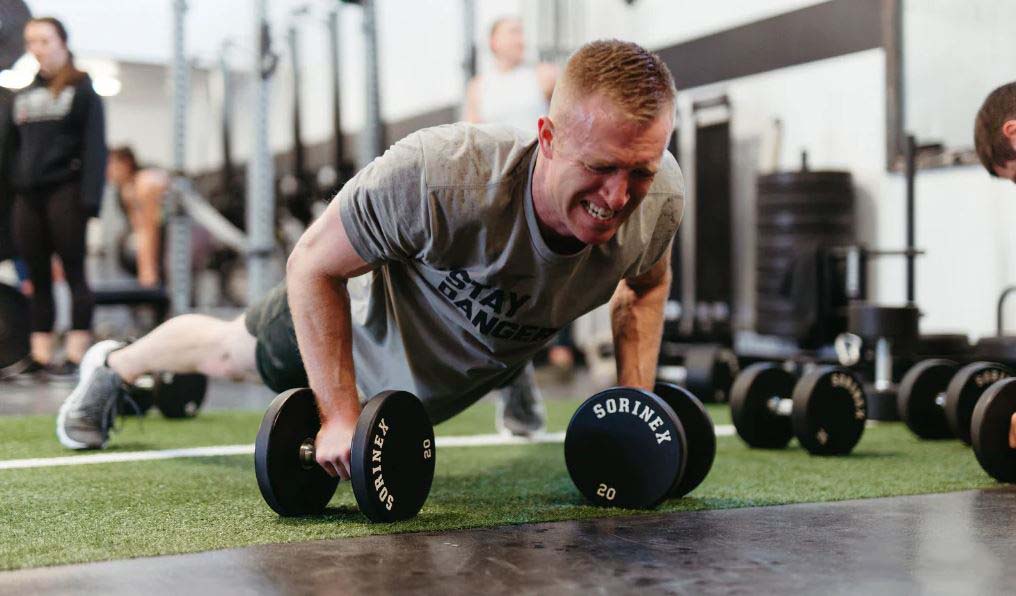
Understanding How Control, Precision, and Measured Intensity Transform the Way We Train and Perform
The Balance Between Power and Precision
In every form of athletic pursuit, there exists a delicate equilibrium between aggression and control. The human body is capable of immense force, but without focus, that power becomes wasted energy. The true art of mastery lies in channeling intensity into precision, transforming chaotic effort into deliberate movement. Whether lifting heavy weights, sprinting at full speed, or holding balance under fatigue, the athlete who controls intensity achieves far greater outcomes than the one who merely exerts force. Precision under pressure is not about restraint but direction. It is the discipline of applying just enough power, at exactly the right time, in perfect harmony with intention.
At its core, this principle reflects the body’s ability to integrate strength, skill, and awareness into a single moment of execution. Every muscle contraction, breath, and neural signal contributes to this alignment. The untrained mind equates effort with output, but the trained athlete learns that precision amplifies efficiency. A movement performed with proper control requires less energy yet delivers superior results. This is why elite performers across disciplines, from martial artists to Olympic lifters, train not only for physical endurance but for neurological refinement. They cultivate calmness amid chaos, focusing the storm of effort into a sharp, steady blade of performance.
The Physiology of Controlled Intensity
Controlled intensity begins at the intersection of the muscular and nervous systems. Every action the body performs is governed by motor units, clusters of muscle fibers controlled by individual nerve cells. When intensity rises, the brain recruits more motor units to produce greater force. However, this process must be finely tuned. Over-recruitment leads to inefficiency, wasted energy, and loss of form, while under-recruitment results in weakness or hesitation. Precision training teaches the brain to activate just the right combination of fibers for the task at hand. This balance maximizes output while conserving energy, creating movements that are both powerful and sustainable.
Endurance and strength training both rely on this coordination, though they emphasize different mechanisms. In endurance, precision manifests through rhythm and pacing. The athlete must control heart rate, breathing, and stride to maintain energy efficiency. In strength training, precision emerges through tension and stability. The ability to engage supporting muscles, maintain posture, and breathe correctly determines whether a lift succeeds or fails. Both forms of control are rooted in the same physiological truth: performance is not about how hard you push but how intelligently you apply pressure. The nervous system learns through repetition, shaping muscle memory into an unconscious language of control and timing.
The Psychology of Staying Composed Under Strain
Pressure does not only challenge the body but also the mind. In high-intensity training or competition, the mind becomes the gatekeeper of precision. Stress narrows focus, elevates heart rate, and floods the body with adrenaline. For the untrained athlete, this can lead to rushed movements, poor decisions, and loss of coordination. Yet, for those who learn to harness this physiological storm, stress becomes a performance enhancer. The ability to maintain composure when the body is screaming for relief separates excellence from mediocrity. It is the difference between reacting impulsively and responding intelligently.
Mental conditioning, therefore, becomes an essential part of physical mastery. Techniques such as controlled breathing, visualization, and mindfulness are not abstract ideas but tools to anchor performance in clarity. Controlled breathing, for instance, regulates the autonomic nervous system, shifting the body from panic to focus. Visualization pre-programs the brain to anticipate success, reducing hesitation. Mindfulness teaches awareness of effort, preventing overexertion and mental collapse. Together, these practices allow the athlete to turn pressure into precision, converting the chaos of stress into the calm of performance. The body follows where the mind leads, and a calm mind creates efficient movement.
Movement Efficiency and Energy Management
Efficiency is the silent partner of precision. Every athlete who performs at a high level knows that energy is a limited resource. The goal is not to expend all effort quickly but to distribute it wisely. Controlled intensity optimizes energy expenditure by ensuring that every movement serves a purpose. When form deteriorates, energy leaks through unnecessary motion. The shoulders tense when they should relax, the grip tightens when it should remain neutral, or the breath is held when it should flow. Each of these small errors compounds fatigue, shortening endurance and diminishing output. Precision eliminates waste, allowing energy to be directed exactly where it is needed.
This principle extends beyond physical mechanics into metabolic efficiency. The body learns to regulate the use of carbohydrates and fats based on intensity. At moderate levels, fat serves as a sustainable fuel source, but as intensity increases, the body shifts toward faster-burning carbohydrates. An athlete who understands this can strategically vary effort to maintain output without exhausting reserves too early. Controlled intensity, therefore, becomes a form of metabolic intelligence. It teaches the body not only how to move but when to apply power, when to conserve, and when to recover. Energy becomes not just fuel but a resource governed by awareness.
The Role of Breathing in Precision and Power
Breathing is the invisible rhythm that unites control, endurance, and strength. Under pressure, it becomes both the anchor and the limiter of performance. Shallow or erratic breathing disrupts oxygen delivery, elevates heart rate, and reduces concentration. Controlled breathing, on the other hand, enhances stability, oxygen efficiency, and mental focus. In strength training, breath control stabilizes the spine and core through intra-abdominal pressure. In endurance sports, rhythmic breathing maintains energy flow and keeps the nervous system in balance. Regardless of the discipline, mastery of breath is mastery of self.
Training the breath requires intention. Techniques like diaphragmatic breathing teach deeper oxygen exchange, while box breathing promotes calm under duress. In high-intensity environments, these skills prevent panic and promote consistency. Each inhale becomes a reset, each exhale a release of tension. Breathing bridges the conscious and unconscious, linking the physiological with the psychological. It is the mechanism through which precision under pressure becomes sustainable. When the breath leads the movement, the body follows with grace and control, even in moments of extreme exertion.
Discipline, Not Aggression: The True Source of Strength
Intensity often carries a reputation for aggression. It conjures images of shouting, grunting, and pushing past limits at all costs. Yet the strongest athletes know that true intensity is quiet. It is measured, deliberate, and strategic. Discipline, not aggression, builds lasting strength. Aggression burns out quickly, consuming energy in bursts of emotion, while discipline endures. It maintains focus through repetition, fatigue, and doubt. Controlled intensity transforms the emotional fire of aggression into the steady burn of commitment.
In practical terms, this discipline is built through routine, structure, and self-awareness. It is the daily decision to train with purpose rather than impulse. Every repetition is an opportunity to refine movement and intention. The athlete who approaches training with discipline rather than chaos builds not only strength but resilience. Over time, this discipline becomes character. It shapes the individual beyond the gym, teaching patience, precision, and presence in every challenge. Strength becomes more than physical; it becomes philosophical, a way of approaching life itself with balance and control.
Controlled Intensity in Competition and Adversity
Competition is the ultimate test of controlled intensity. Under the spotlight, surrounded by noise, pressure magnifies every flaw. Adrenaline surges, muscles tighten, and focus narrows. In these moments, preparation reveals its worth. Athletes who have trained for precision thrive under these conditions because they understand how to modulate effort. They know that peak performance does not come from constant maximum exertion but from controlled bursts of intensity timed perfectly. This ability to shift gears, between calmness and power, between rest and explosion, is what separates the consistent from the erratic.
Adversity outside of competition follows the same pattern. Injury, fatigue, or setback test an individual’s ability to adapt and respond with composure. Controlled intensity teaches patience in recovery and persistence in rebuilding. It prevents the ego from rushing the process, allowing healing to occur naturally. In this sense, the art of controlled intensity extends beyond sport. It becomes a framework for handling any form of pressure with clarity and grace. The athlete learns that intensity without awareness is chaos, but awareness without intensity is stagnation. Balance between the two forms the essence of mastery.
Precision as a Form of Self-Mastery
To train with precision is to study oneself. Every workout becomes a mirror, reflecting both strengths and limitations. The athlete who seeks control under pressure learns to listen to their body’s cues, to recognize subtle shifts in rhythm, fatigue, and form. This awareness cultivates a relationship with the self that transcends performance. It becomes a form of mindfulness, a dialogue between intention and execution. Each movement is not just an act of training but an act of self-understanding.
Self-mastery emerges from this continual process of refinement. It does not depend on comparison or competition but on the pursuit of excellence through awareness. Precision is not about perfection but progression. It is the art of noticing and adjusting, of remaining engaged and purposeful in every moment. Under pressure, this awareness becomes a sanctuary. The external world may demand intensity, but the internal world remains calm and controlled. This balance, once cultivated, carries into every domain of life. The athlete who trains precision learns to live with intention, responding to stress not with panic but with presence.
The Harmony of Strength and Stillness
At the highest level of human performance, strength and stillness coexist. True power is not chaotic but composed. The athlete who has mastered controlled intensity moves with both grace and authority. Each motion carries intention, each decision reflects awareness. This harmony transforms effort into artistry. It allows the individual to act with confidence even under immense pressure because every action arises from clarity rather than reaction.
Precision under pressure is more than a skill, it is a philosophy. It teaches that control is not restriction but liberation. It allows the body to perform freely because the mind trusts the process. It turns effort into rhythm and chaos into flow. The calm within the storm is not found by resisting intensity but by directing it. Through patience, awareness, and discipline, the athlete learns that mastery is not about pushing harder but about moving smarter. The body becomes an instrument, the mind its conductor, and together they create performance not defined by force but by harmony.