

The Deeper Transformation Behind Strength Training
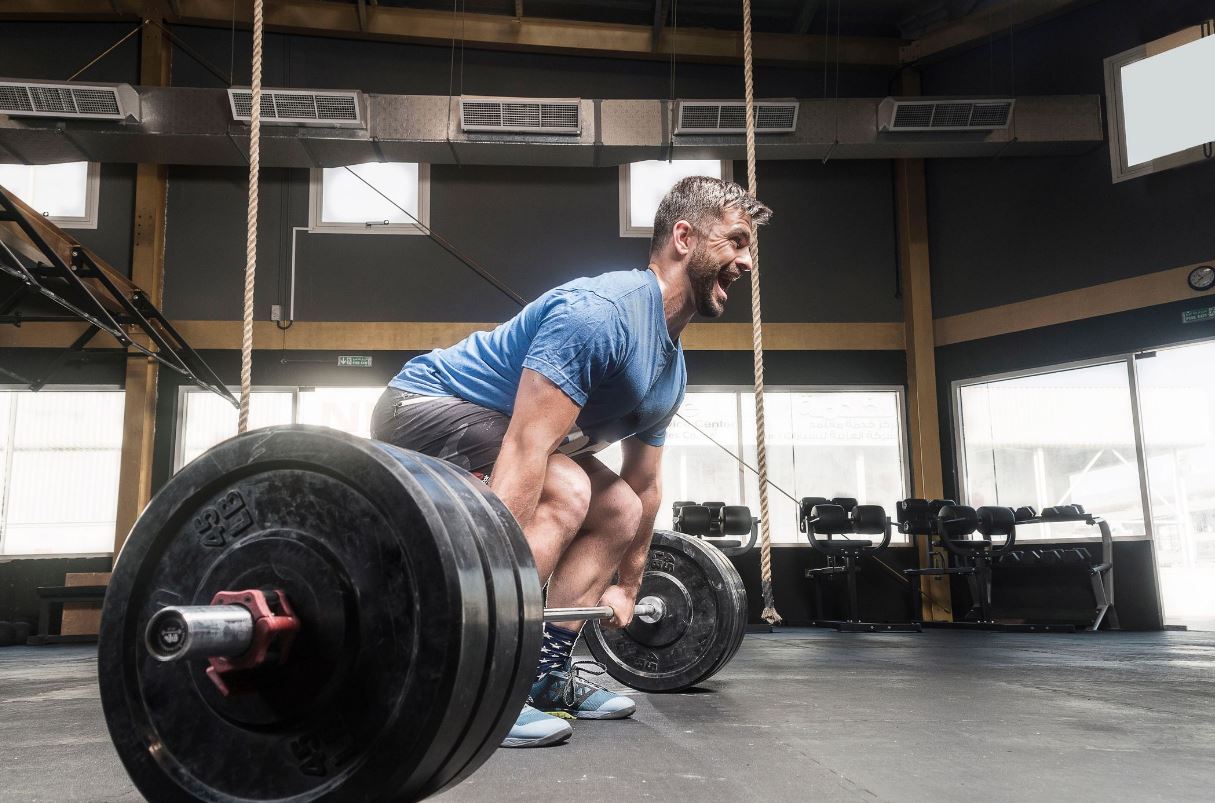
Lifting Weight Builds Character, Confidence, and Connection Beyond the Physical
The Foundation of Strength Beyond the Barbell
Resistance training has long been viewed as the cornerstone of physical development, a process where muscle meets tension and growth follows effort. Yet, its true power extends far beyond aesthetics or raw power. The barbell, dumbbell, or resistance band becomes a mirror that reflects the inner state of the person lifting it. Every repetition tests not only muscular endurance but also mental fortitude and emotional stability. The lifter learns to move with intention, to control energy, and to embrace discomfort as a teacher rather than an enemy.
From the first time a person grips a weight, they begin to engage in a conversation between effort and belief. The process teaches patience, precision, and respect for progression. Unlike quick fixes or fleeting motivations, strength training builds its lessons slowly. Each movement teaches balance, focus, and self-awareness. Through this process, a deeper form of strength emerges, one that cannot be measured by the weight on the bar, but by the discipline in the heart.
The Science of Resistance and Adaptation
At its core, resistance training operates on the principle of adaptation. The human body is remarkably efficient at responding to stress, and when it encounters mechanical tension, it reacts by reinforcing itself. This process, known as hypertrophy, involves the repair and growth of muscle fibers after microscopic damage caused by lifting. Over time, the body adapts by becoming stronger, more coordinated, and more efficient. Yet, what is often overlooked is that the same process occurs in the mind.
The brain, much like the muscles it commands, adapts to repeated challenge. Neural pathways involved in coordination, balance, and focus become more efficient. Consistent training enhances cognitive performance, improving memory and concentration through increased blood flow and oxygenation. Each session in the gym becomes an exercise in neuroplasticity, where the mind learns to remain composed under strain. The same circuits that help lift a barbell with precision also strengthen the ability to face stress in daily life with clarity and calm.
The Psychological Strength Built Through Repetition
Beyond biology lies the psychology of effort. Resistance training is a daily negotiation with discomfort, a dialogue between desire and discipline. Each set requires the lifter to confront fatigue, doubt, and frustration. The act of finishing one more repetition when the body signals exhaustion becomes a metaphor for perseverance. Over time, this mental repetition teaches resilience. The gym becomes a controlled environment for facing adversity, where the consequences of failure are educational rather than destructive.
This psychological fortitude extends into everyday life. A person who trains consistently learns to approach challenges with the same methodical patience used in the gym. Whether it is managing stress, facing setbacks, or pursuing personal goals, the discipline formed under iron translates into an enduring mindset. The mind begins to equate effort with progress, not perfection. Each repetition reinforces a simple truth: growth comes not from ease, but from endurance through resistance.
The Hormonal Harmony of Effort
Resistance training triggers a powerful hormonal response that influences not just muscle development but also mood and cognition. When a person lifts, the body releases a blend of testosterone, growth hormone, and endorphins. These compounds work together to repair tissue, regulate energy, and enhance well-being. The surge of endorphins during and after training produces a sense of accomplishment that reduces stress and anxiety. This physiological reward strengthens the emotional connection to the process, making consistency feel less like a chore and more like a necessity for balance.
In addition, consistent resistance training helps stabilize insulin sensitivity, regulate cortisol levels, and improve sleep quality. These effects ripple outward into every aspect of life. A rested body supports a sharper mind. A calm nervous system supports emotional balance. The result is a state of internal harmony that extends far beyond the gym walls. Resistance becomes not just a stimulus for muscle growth but a key to holistic wellness, uniting strength, energy, and serenity in one continuous cycle.
Form, Focus, and the Philosophy of Control
One of the most profound aspects of strength training lies in its demand for mindfulness. Every lift requires attention to alignment, breathing, and timing. A small lapse in focus can disrupt the entire movement. This precision transforms exercise into a meditative practice, one where external distractions fade and the present moment takes precedence. The lifter becomes attuned to every muscle contraction and breath. In this state of awareness, the mind quiets, and discipline deepens.
Control, both physical and mental, becomes the guiding principle. Learning to engage the right muscle groups, to maintain posture, and to move with purpose translates into control in other areas of life. The gym becomes a metaphor for order amidst chaos. Each rep is a reminder that control is not achieved through force but through balance and patience. This mastery of control fosters confidence, teaching individuals to navigate both physical exertion and emotional turbulence with precision and grace.
Community, Connection, and Shared Strength
While resistance training is often perceived as a solitary pursuit, it thrives within community. The sound of weights clanging, the nods exchanged between lifters, and the unspoken understanding of effort create an environment of mutual respect. This shared culture of growth transcends competition. It binds people through a collective pursuit of improvement. The gym becomes a sanctuary where individuals from different walks of life unite under one principle: effort as the great equalizer.
Community amplifies motivation and accountability. Training partners challenge each other to push harder, spot safely, and celebrate progress. Beyond the physical, this connection strengthens emotional resilience. It reminds participants that strength is not isolation but collaboration. Shared struggle creates solidarity, and within that solidarity lies one of the most powerful forms of human connection, a bond forged through shared sweat and mutual respect.
The Emotional Release Hidden in Physical Effort
Few experiences match the catharsis of lifting weight against resistance. Each session offers an outlet for stress, frustration, and unspoken emotion. As tension accumulates in the mind, it manifests in the body. The act of exertion releases this energy in a constructive form, transforming emotional weight into physical output. The rhythm of breathing and movement becomes therapeutic, grounding the individual in both body and awareness.
Resistance training teaches a lesson in emotional processing. Rather than avoiding discomfort, the lifter channels it into motion. The sweat that follows is more than a byproduct of effort; it is a cleansing ritual. Over time, individuals learn that strength is not the absence of vulnerability but the ability to face and transform it. The process becomes both emotional and physical renewal, a cycle that replaces stagnation with movement and frustration with focus.
The Role of Patience and Time
In an age of instant gratification, resistance training stands as a teacher of patience. Progress in the gym does not happen overnight. It demands consistency, discipline, and the humility to accept slow improvement. This patience reshapes the way individuals approach goals. They learn to appreciate process over result, to see value in small victories, and to understand that time is an ally rather than an adversary. This realization fosters both emotional maturity and self-trust.
Patience also cultivates resilience against failure. A missed lift, a stalled progression, or a day of fatigue no longer feels like defeat. Instead, it becomes part of the larger rhythm of growth. Each obstacle teaches persistence. The body, through time, becomes a living record of effort, a reminder that real progress is cumulative and built upon countless moments of choice and action. In this way, resistance training transforms patience from a passive waiting into an active form of wisdom.
The Spiritual Weight of Strength
At its deepest level, resistance training becomes a spiritual practice. The repetitive cycle of effort, fatigue, and recovery mirrors life itself. It teaches surrender to process, faith in consistency, and respect for limits. The iron becomes both teacher and test. It has no opinion, no bias, no shortcuts. It rewards discipline and punishes neglect. This honesty creates a sense of integrity that extends into daily life. A person who trains learns that results cannot be faked. Strength must be earned through consistent effort and humility.
Many find that resistance training becomes a form of meditation in motion. The mind clears, and the world narrows to the rhythm of breath and lift. Within that focus lies peace. The iron, cold and unfeeling, becomes a conduit for introspection. Each lift reflects not only physical capacity but also emotional balance. The act becomes sacred in its simplicity, revealing that strength is not just about power but about presence and purpose.
The Lifelong Journey of Becoming Strong
Resistance training, when embraced fully, becomes a lifelong journey rather than a temporary goal. It evolves with age, adapting to changing bodies, priorities, and perspectives. What begins as a pursuit of physical power transforms into a practice of self-mastery. Each phase of training, from the beginner’s excitement to the veteran’s refinement, offers lessons in patience, humility, and self-discovery. The gym becomes not a place of vanity but a forge where body, mind, and character are continuously shaped.
Ultimately, resistance training teaches that true strength transcends the visible. Muscles may fade with time, but the discipline, resilience, and confidence forged through effort endure. The lifter who understands this no longer trains merely to build a body but to cultivate a mindset. Every rep becomes a statement of intent, every bead of sweat a symbol of perseverance. The person who learns to lift weight learns, in essence, to lift life itself, with steadiness, courage, and grace.