

Mastering the Art of Efficient Movement
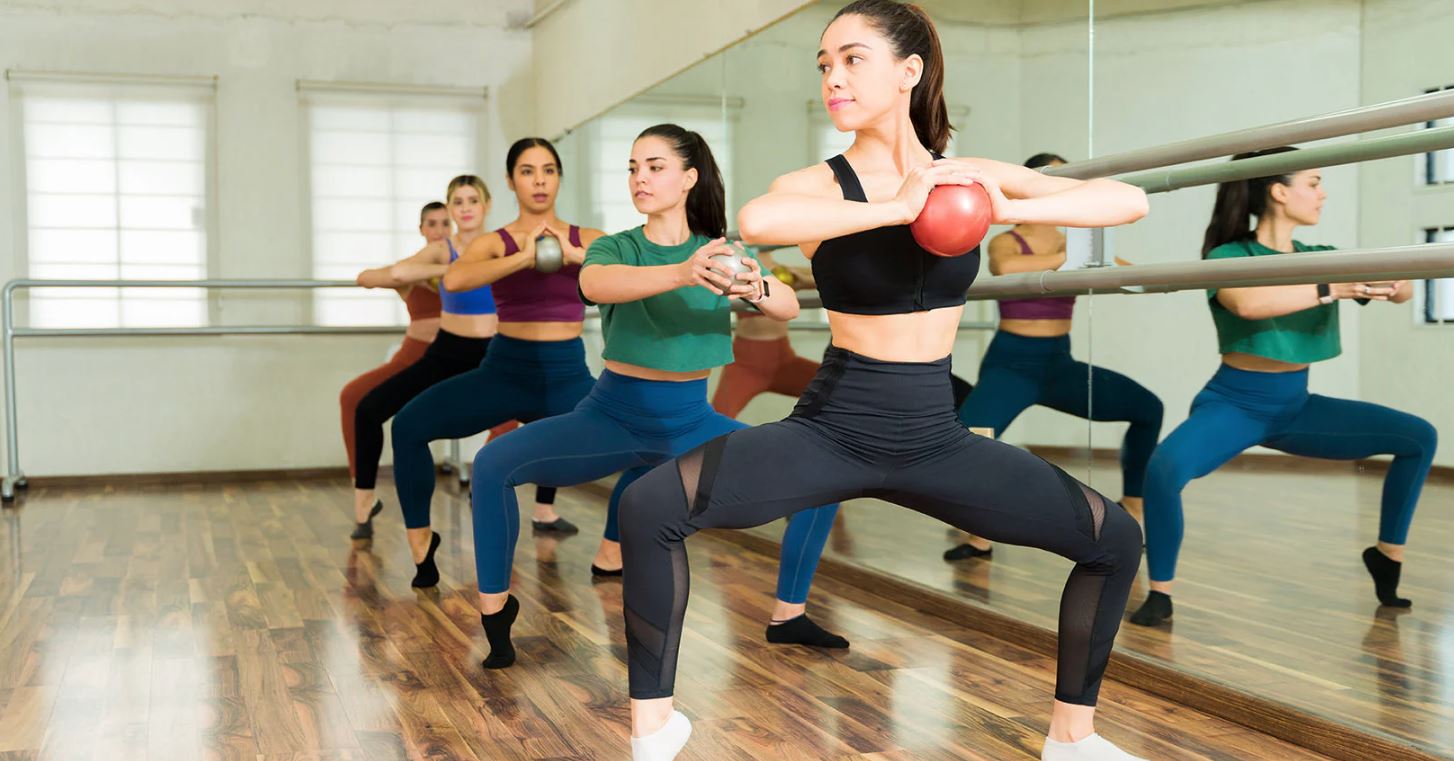
Precision, Awareness, and Flow Transform Every Physical Act Into Strength and Harmony
The Architecture of Human Movement
Every action the human body performs, from lifting a barbell to sprinting across a track, is the result of intricate coordination between muscles, bones, and the nervous system. Movement is not random effort. It is a deliberate design built upon physics and biology working in unison. The skeleton provides the framework, the muscles generate the power, and the nervous system orchestrates the timing. Together, they create motion that is both purposeful and expressive. To move well is to understand how these systems interact, how energy flows through the body, and how precision replaces wasted effort.
When movement is efficient, the body functions like a well-engineered machine. Joints align properly, muscles activate in the correct sequence, and force is distributed evenly across the kinetic chain. This balance between form and function minimizes injury risk while maximizing performance. Yet efficiency is not born from strength alone. It is cultivated through awareness. Athletes who learn to sense and control their movement develop a kind of kinesthetic intelligence that separates the good from the great. They become architects of their own mechanics, designing motion that serves both purpose and longevity.
The Science Behind Form and Function
Form and function are inseparable concepts. Form represents structure, while function describes utility. When the two are aligned, performance reaches its highest potential. For example, the spine’s natural curves are designed to absorb impact, the hips to generate rotational power, and the shoulders to enable a wide range of motion. Disrupting this natural design through poor posture or inefficient technique leads to energy leaks and increased strain on joints. The human body thrives on alignment. Every lift, jump, or stretch must respect the blueprint nature has established.
Biomechanics, the study of movement, reveals that power is not solely a product of muscle size but of mechanical efficiency. The position of a joint, the angle of force application, and the synchronization of muscle contractions all determine the outcome. A small adjustment in foot placement or grip width can dramatically alter performance. Understanding these principles transforms training from repetitive effort into precise engineering. The athlete becomes an analyst of motion, capable of identifying inefficiency and correcting it before it becomes limitation.
The Role of the Kinetic Chain
Human motion is a symphony of interconnected parts. The concept of the kinetic chain describes how energy transfers from one segment of the body to another. A simple action like throwing a ball begins with the legs, moves through the core, and ends in the hand. If any link in this chain is weak or misaligned, the result is a loss of power and control. Efficient movement depends on fluid energy transfer, where no force is wasted and no muscle works in isolation. Training the body as a unified system rather than separate parts develops not only strength but also coordination and grace.
The kinetic chain also explains how compensations occur. When one muscle group fails to perform, another steps in to compensate, often leading to imbalance and overuse injuries. For example, tight hips can force the lower back to absorb movement it was not designed for, creating chronic pain. Understanding these relationships allows for targeted correction. Strengthening the weakest link restores the flow of energy and brings balance back to motion. The goal is not perfection but harmony, where every part contributes its role to the collective effort.
Neuromuscular Coordination and Control
Movement is as much neurological as it is muscular. The brain sends electrical signals through the spinal cord to recruit specific muscle fibers in precise sequences. This communication defines how fast, strong, and accurate an action becomes. Neuromuscular coordination, the ability of the nervous system to control muscle activation, is the foundation of athletic skill. It is why seasoned athletes can perform complex movements effortlessly, while beginners struggle with timing and balance. Their nervous systems have been conditioned through repetition to fire with precision.
Training coordination requires mindfulness. Exercises that challenge stability, speed, and rhythm improve neural efficiency. Movements such as Olympic lifts, balance drills, and plyometrics force the brain to adapt rapidly to changing conditions. Over time, the nervous system refines its ability to activate the right muscles at the right time, reducing hesitation and maximizing power. This neurological refinement translates into smoother, more confident movement across all forms of physical expression. It is not only about lifting heavier or running faster but moving smarter.
The Philosophy of Flow in Motion
Flow is the state where motion feels effortless, where every action flows into the next without conscious strain. It represents the harmony between body and mind, where awareness merges with movement. In sports psychology, this is often referred to as the “zone.” Achieving this state requires a deep connection between physical mastery and mental clarity. Athletes who enter flow perform with a rhythm that feels instinctive, as if their bodies move independently of conscious control. This happens when skill and challenge balance perfectly, and the brain’s critical thinking quiets to allow instinct to lead.
Developing flow begins with deliberate practice. Precision, repetition, and mindfulness create the conditions for seamless execution. Breathing also plays a crucial role. Controlled breathing anchors focus and synchronizes motion, turning effort into rhythm. Whether it is a lifter controlling exhalation under tension or a runner maintaining steady cadence, breathing bridges intention with action. Flow is not a mystical state but a disciplined outcome of synchronization between body and mind. It is the purest form of movement intelligence.
Breaking Down Common Movement Errors
Most movement dysfunction stems from lack of awareness rather than lack of effort. Over time, poor habits form due to repetitive strain, muscle imbalances, or limited mobility. For instance, collapsing knees during a squat signal weak hip stabilizers, while a rounded back during a deadlift indicates poor core engagement. These patterns not only hinder performance but also increase injury risk. Identifying them early allows for correction before they become ingrained. The first step in fixing movement errors is learning to observe, not just perform.
Filming exercises, seeking feedback from coaches, and studying biomechanics are powerful tools for awareness. Small adjustments, such as repositioning the feet or engaging the core differently, can drastically change performance outcomes. Mobility drills, stability training, and activation exercises also help retrain the body to move correctly. The process requires patience. Every correction rewires the brain and restores natural function. The more aligned movement becomes, the more efficiently the body operates under load, transforming effort into precision.
Balance, Mobility, and Strength: The Triad of Motion
True movement efficiency is built upon three pillars: balance, mobility, and strength. Balance provides control, mobility ensures range, and strength delivers power. Neglecting any one of these elements creates imbalance that affects performance. For example, excessive strength without mobility leads to stiffness, while high mobility without strength results in instability. The key lies in equilibrium, where all three elements support one another. Athletes who cultivate this triad move with fluidity, stability, and resilience.
Balance originates from the body’s proprioceptive system, the network of sensors in muscles and joints that detect position and motion. Training balance refines these sensors, improving coordination and awareness. Mobility, meanwhile, is the freedom of joints to move through their full range without restriction. Strength solidifies both by stabilizing movement under tension. Together, they form the mechanical foundation for any physical discipline. The triad ensures that every motion is supported by control, guided by flexibility, and executed with force.
The Importance of Energy Transfer and Ground Reaction
All motion begins with interaction between the body and the ground. Whether lifting, running, or jumping, the ground provides the resistance needed to generate movement. This exchange of energy, known as ground reaction force, is the basis for all athletic performance. The more efficiently an athlete transfers force into the ground and back through the body, the more powerful and efficient the motion becomes. Every step, push, or lift depends on how well this transfer is managed.
For optimal energy transfer, alignment and timing are critical. The foot acts as the foundation, and its stability determines how energy travels upward. Strong arches, active toes, and engaged glutes create a chain of stability that enhances power output. Conversely, weak or misaligned foundations leak energy, forcing the body to compensate. Understanding how to connect the body to the ground with intent transforms even basic actions into expressions of strength and precision. In this way, movement becomes not just physical output but controlled energy flow.
Mindful Movement and the Role of Awareness
Awareness transforms exercise from physical repetition into purposeful practice. When athletes move with awareness, they become attuned to the sensations of alignment, tension, and release. This mindfulness allows them to make real-time corrections and prevent poor mechanics from developing. Every movement becomes feedback, and every repetition becomes an opportunity to refine technique. Mindful movement fosters efficiency by removing unnecessary effort, allowing energy to flow freely through the body.
Training awareness can be as simple as slowing down. Performing movements at a controlled pace highlights areas of imbalance or weakness that might be hidden at full speed. Breathing and focus also enhance connection. When movement becomes intentional rather than automatic, performance improves dramatically. The body learns to conserve energy and maximize output. Awareness turns training from mechanical labor into conscious evolution, where every motion serves both performance and self-mastery.
The Endless Pursuit of Perfect Motion
Mastering movement is a lifelong journey. There is no final state of perfection, only continuous refinement. The deeper one studies form and function, the more subtle the discoveries become. Small changes in posture, timing, or rhythm can unlock new levels of performance. The process mirrors personal growth itself: constant adaptation, awareness, and improvement. The body becomes both student and teacher, revealing lessons through motion that extend beyond the physical realm.
Ultimately, efficient movement represents harmony between design and intent. It is the moment when science meets art, when function becomes expression, and when control becomes freedom. To move with understanding is to live fully within the body, to experience strength as both effort and elegance. Every motion, no matter how small, carries the potential for mastery. The athlete who embraces this pursuit learns that the true mechanics of motion are not confined to muscles or joints but exist in the awareness that connects them all.